Why do we need International Women’s Day?
You may wonder why we need this day. Haven’t we made considerable progress on women’s equality since 1911, enough progress to deem this day unnecessary? And so, I turn to the data.
Yes, women are “allowed” to enter the workplace and for example, be pastors in the United Methodist Church. In fact, this year our denomination celebrates 70 years of women’s ordination. And yet, even a few months ago, visitors in this very church walked out of the service when I started preaching because, “Women are to be silent in church.”
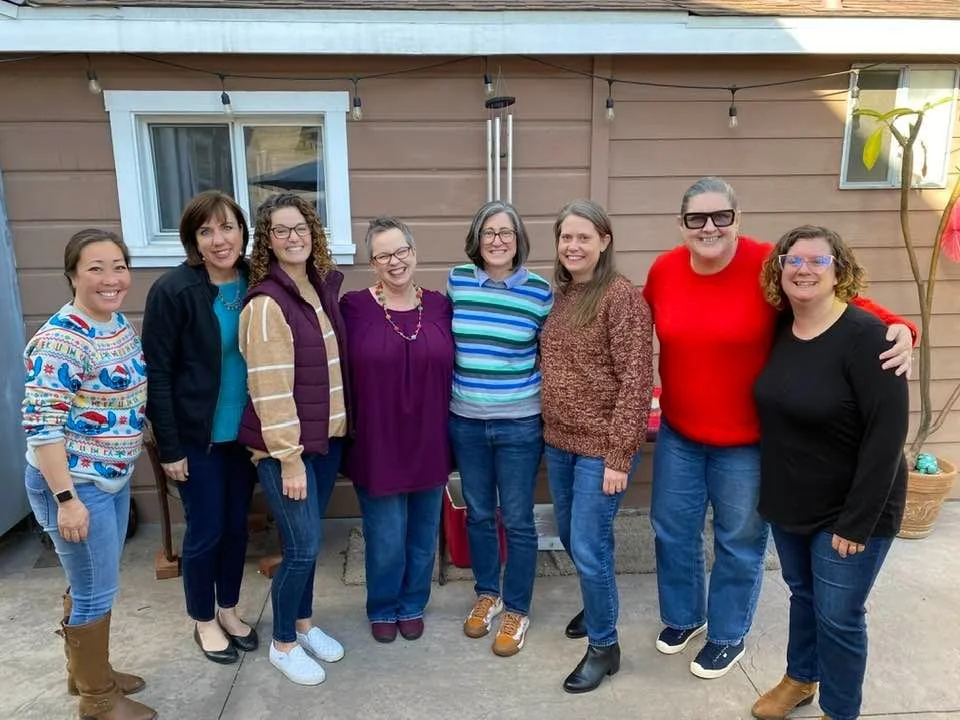
Why do we need this day? According to our conference’s 2025 Clergy study, 62% of Cal-Pac clergy are male and 38% are female, but we are paid considerably less. Female clergy on average have 3 fewer ‘Schedule Years’ than male clergy. Female clergy are more likely to be in part-time appointments, to be lay persons assigned, or to be retired and appointed than their male colleagues. (2)
Why do we need this day? According to the World Heath Organization in 2024, 1 in 3 women globally have been subjected to physical and/or sexual violence. (3)
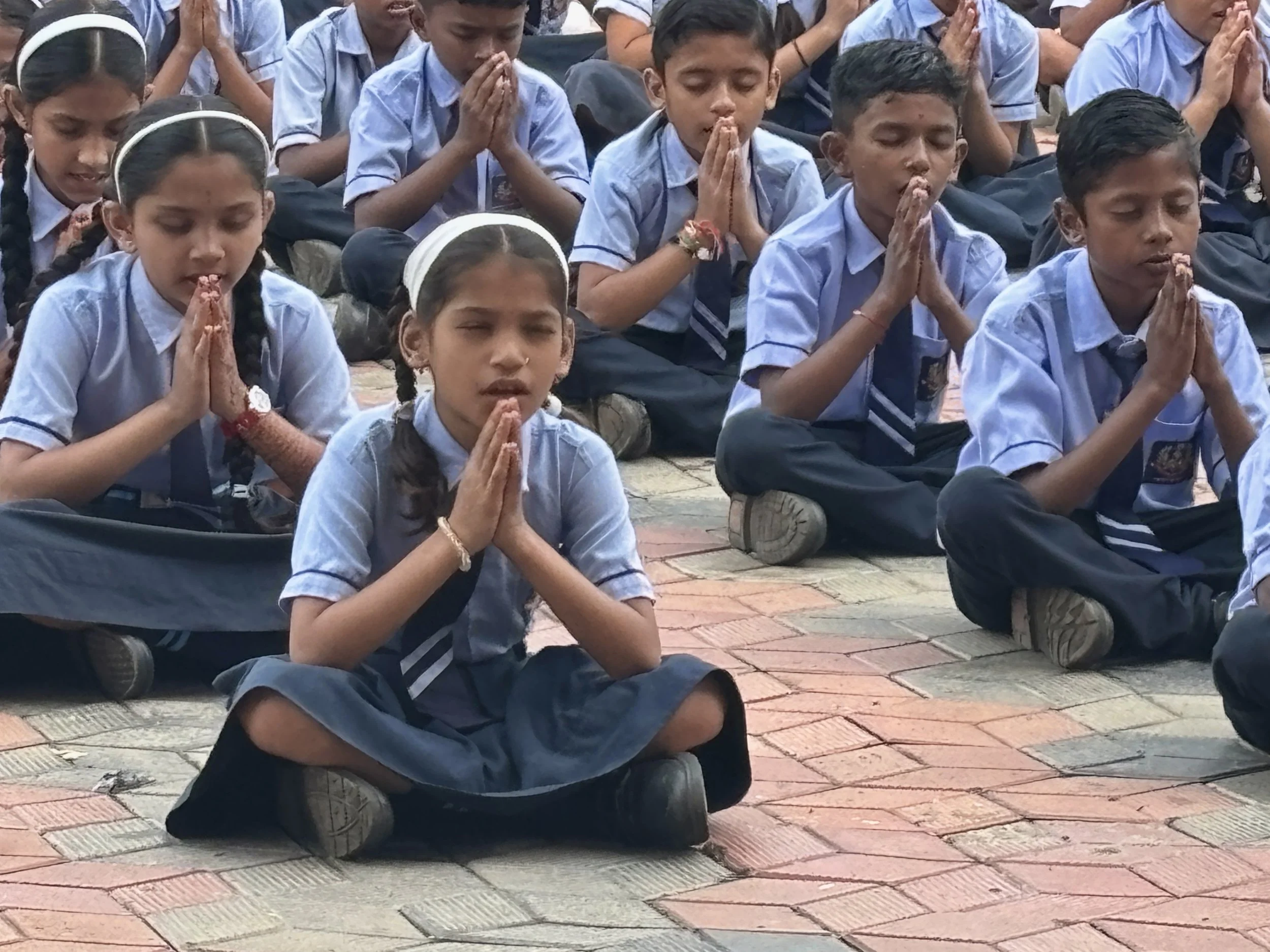
Why do we need this day? According to UNICEF estimates, around the world, 122 million girls are out of school, including 34 million of primary school age, and 87 million of secondary school age. (4)
Why do we need this day? Because just last week, a girls’ school in Iran was bombed and over 175 lost their lives - just casualties of war.
Globally, women and girls face immeasurable challenges in doing ordinary things: a childhood without violence, the ability to go to school, the choice to be married when and if THEY choose to, the choice to have or not have children, the opportunity to be employed, to earn a living wage.... In too many cultures, in too many households, women and girls are not valued and respected as children of God, as made in God’s image, deserving of the rights of their male counterparts.
That’s why we need a day to lift up the plight of women and girls. And then we take action.